

There have been green shoots for Chelsea under Enzo Maresca on the pitch this season but there are still a number of worries about the club as a business.
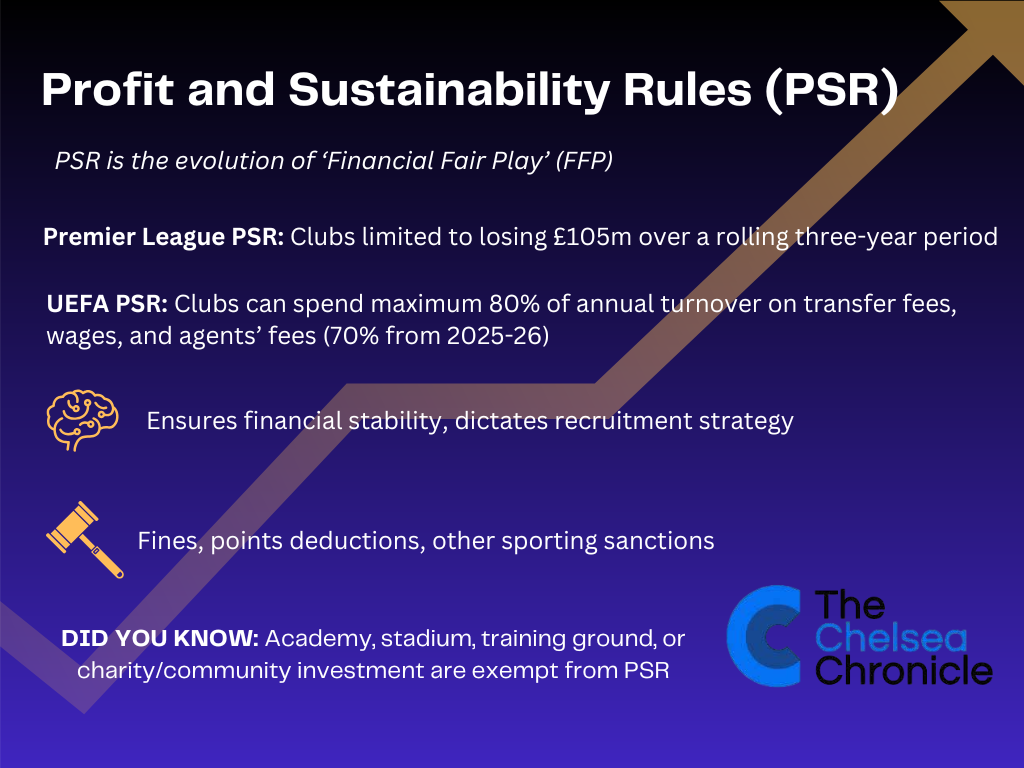
For one, the club’s position under Profit and Sustainability Rules (PSR) is far from secure as Chelsea strain under the weight of the almost £1.5bn they have spent under Todd Boehly and Behdad Eghbali so far.
Chelsea have sold two Stamford Bridge hotels to a Boehly-owned company at a profit of £76m to try and ease anxieties about their compliance with the Premier League’s spending rules.
The women’s team has also been used as a trading chip in a similar transaction. Chelsea previously valued the team at £150m, which would be transformative for their PSR calculation.
However, while these intra-company sales have been given the green light by the Premier League (for now, at least), UEFA does not recognise them.
UEFA’s spending rules – which the governing body now calls Financial Sustainability regulations rather than Financial Fair Play or FFP – are more restrictive, tying spending to a percentage of revenue.
This term, the Blues are permitted to spend 80 per cent of their revenue on wages, transfers and agent fees. The cap will settle at 70 per cent from 2025-26.
Beyond PSR, there is the civil war raging between Boehly and Eghbali in the Chelsea boardroom.
The two men have been the loudest voices at Chelsea since they bought the club from Roman Abramovich a little over two-and-a-half years ago and have different visions for the club’s future.
The future of Stamford Bridge is one thing that divides them, for example. Boehly wants to move to a new stadium at Earl’s Court, while Eghbali wants to rebuild Chelsea’s stadium on the existing site.
Then, there is also the nagging issue that the Premier League is investigating Chelsea for historic PSR breaches in the Abramovich era, which the new owners themselves flagged to the league.
Given this wider context, the last thing Chelsea need is to miss out on massive revenue generations opportunities.
And yet, that is exactly what is happening in SW.
Chelsea may have lost £40m as key commercial deal falls through
Last season, Chelsea were late out of the starting blocks in agreeing a front-of-shirt deal, which is typically the most valuable asset in a club’s commercial inventory.
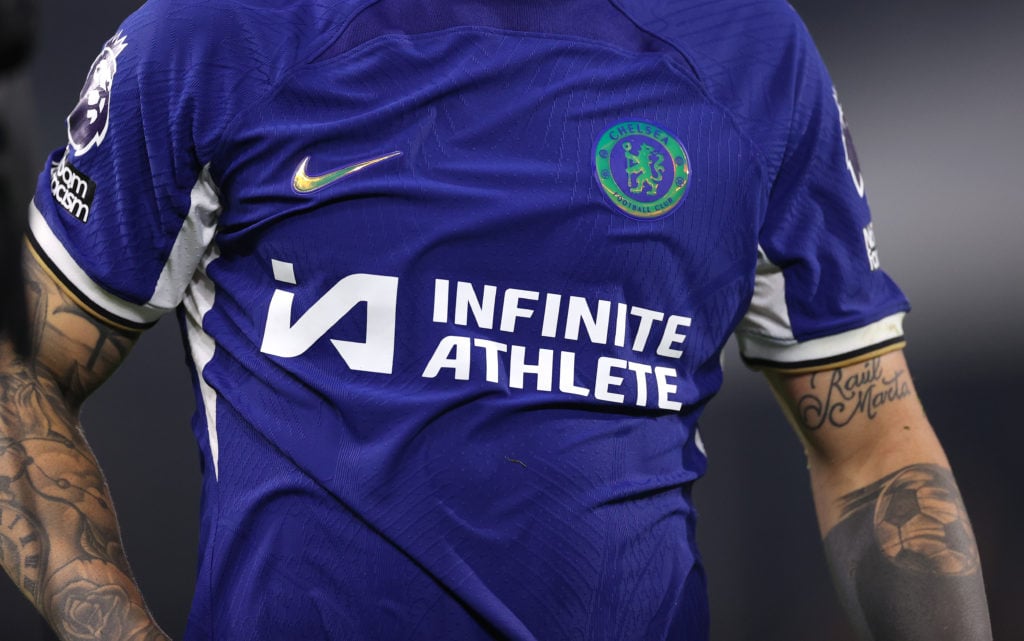
Eventually, they settled with Infinite Athlete, who paid around £40m for the season. Over the summer, it was reported that Chelsea were looking for £60m for 2024-25.
Perhaps they set their sites too high, as November has rolled around and they are still without a sponsor.
Finance commentator Stefan Borson, who is a former adviser to Man City and a football sponsorship expert, has now said that the value of their front-of-shirt rights has now dwindled alarmingly.
Writing via X, Borson suggested that a shirt deal could have been worth around 10 per cent of Chelsea’s annual revenue but that they would now be lucky to get £20m for the campaign.
He added that would be an “extraordinary hit to profit.”
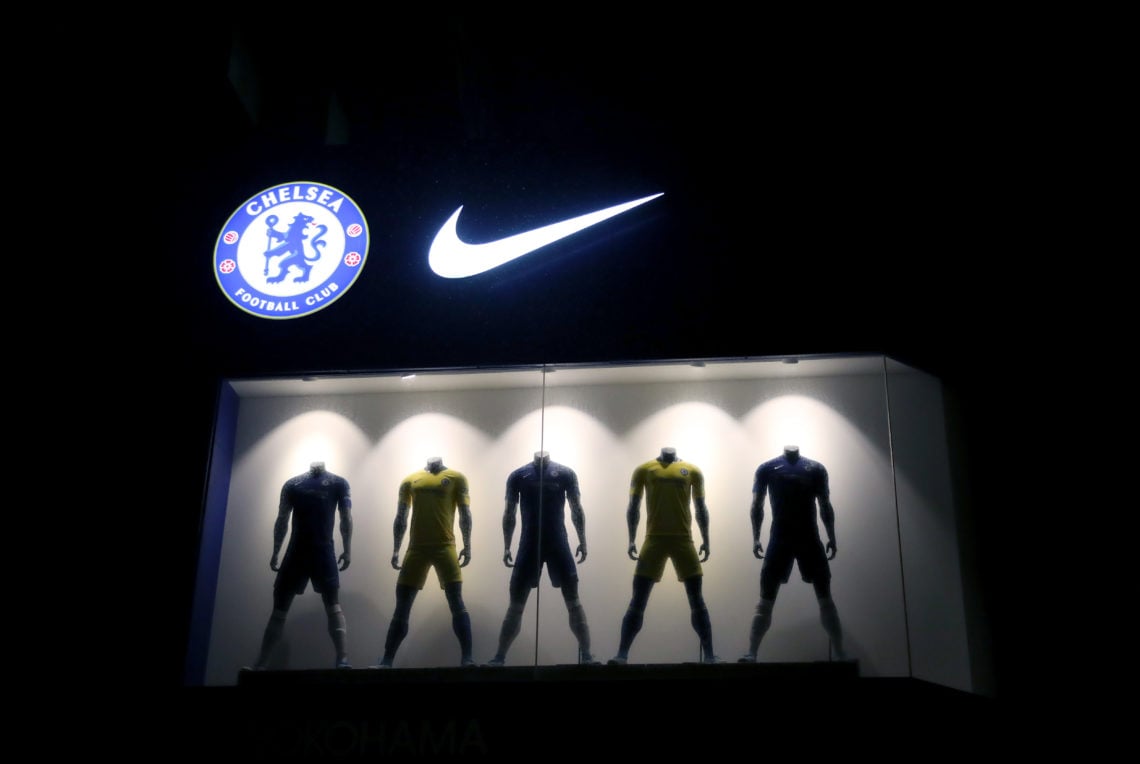
What’s more, Nike are said to be frustrated with Chelsea’s sponsorship situation as they believe it has impacted shirt sales.
Disenfranchising a key partner who has committed to the club for 15 years is far from ideal.
Why don’t Chelsea have a sponsor yet?
It could simply be that Chelsea’s asking price was too high.
Another possibility is that the fallout from Man City’s legal challenge Premier League’s APT (associated party transaction) rules has added a layer of complexity to striking a deal.
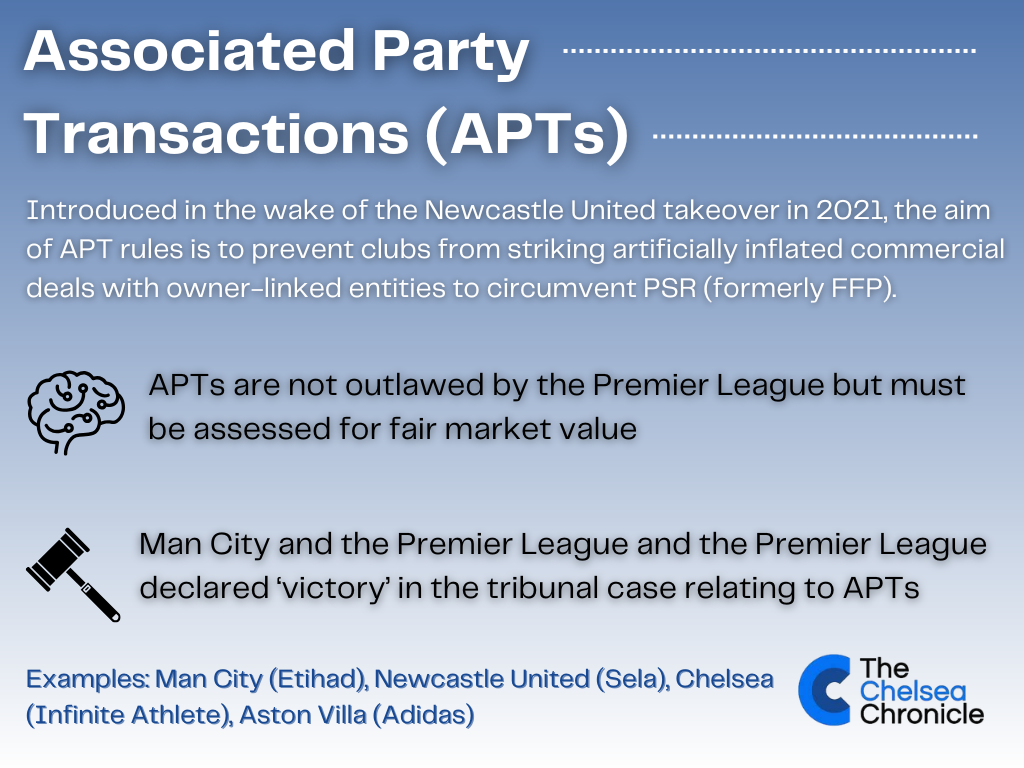
The APT rules cover sponsorship agreements clubs strike with entities relating to their owners and are designed to prevent clubs artificially inflating their income to bypass PSR.
It has also been speculated that Chelsea are sacrificing their short-term revenue in order to find the perfect partner for an ultra long-term deal.
10-15-year deals are now not uncommon among elite clubs, who value the security that guaranteed revenues provide.
But given the club’s PSR situation, which could itself have ramifications in the long-term in the form of sporting sanctions that could in turn impact revenue, that seems naïve
Receive a digest of our best Chelsea content each week direct to your mailbox