


New research suggests that Chelsea’s owners could make a profit on the price that they paid for the club in May 2022 – but that doesn’t tell half the story of BlueCo’s total financial commitment.
Speaking exclusively to The Chelsea Chronicle, University of Liverpool football finance academic and Price of Football podcast host Kieran Maguire explains how the debt taken on by Chelsea’s American owners means that they would be in the red by billions of dollars if they were to sell tomorrow.
When BlueCo took over Chelsea four years ago, they paid £2.5bn up front with a further £1.75bn funding commitment earmarked for infrastructure, recruitment and other costs. On top of that, they have taken out a £500m loan from Ares, a fellow private equity and credit firm, as well as over £1bn worth of debt at holding company level.
Todd Boehly, Behdad Eghbali and the other members of the Clearlake-Eldridge ownership group are ultimately beholden to their limited partners, the people who have ultimately financed the takeover and subsequent funding – and who will one day demand a return on their investment.
DISCUSS: BlueCo must leave for Chelsea to be successful again…
Or is there a future with BlueCo at Chelsea?

Indeed, Bloomberg reported at the end of last week that there are concerns among some of Clearlake’s investors that too much time is being dedicated to sports projects, with co-founded Jose Feliciano closing in – in a private capacity – on a takeover of Major League Baseball’s San Diego Padres.
To generate a return, various analyses by football finance experts suggest that BlueCo would need to sell Chelsea for in excess of £5bn. And as the owners have discovered, the slings and arrows of Premier League football, where European qualification can make or break a season financially, make that look like a remote prospect at present.
So how much are Chelsea worth at this moment in time? According to the latest study by respected sports business publication Sportico, it’s about £2.95bn.
That would mark them as the ninth most valuable club in the world and, taken at face value, would suggest that their worth as a business has appreciated since the BlueCo takeover.
However, as Maguire explains, that figure does not take into account debt, nor the future costs and risk associated with either redeveloping Stamford Bridge or building a new stadium.
“That valuation, remember, is the enterprise valuation,” he told The Chelsea Chronicle.
“By the time you subtract the debt, BlueCo are much further into this investment than the original purchase price.
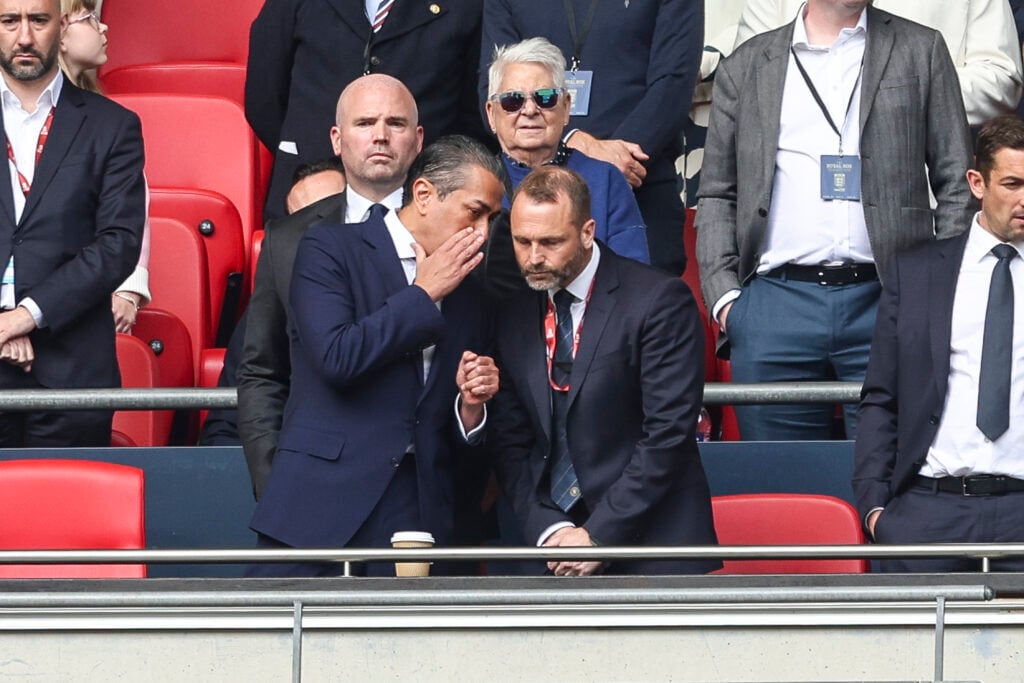
“It has not been a success in terms of the traditional private equity model, which is to get in, hollow out and sell at a profit. They have done the first two, but you normally increase operational efficiencies in doing that. But it’s very evident that hasn’t transpired at Chelsea.”
“The lack of understanding of BlueCo executives. In football, you need industry knowledge in a way that you often don’t in other markets that private equity touches because you rely on existing management to do that for you. They have sacked several managers and the brains trust – the five sporting directors – aren’t delivering the results needed to justify their business model.
“Boehly appointing himself as sporting director early on was indicative of someone who believes their own publicity rather than showing a bit of humility and acknowledging that football is different to baseball and so on.
“The non-financial KPIs appear to have been completely forgotten by the owners.”
Receive a digest of our best Chelsea content each week direct to your mailbox