


Historically, football stadia have had quaint names rooted in local geography. Stamford Bridge, for instance, is named after a bridge that once crossed a stream near Fulham Road. But if Chelsea strike a naming rights deal in SW6 or elsewhere, the stadium will likely be branded by a tech multinational, a Middle Eastern airline, or a banking giant.
Naming rights deals are big business. Studies suggest that just short of £10bn is contracted annually in naming rights deal worldwide, with sport the biggest driver.
Chelsea co-owners Todd Boehly and Mark Walter have been among the biggest beneficiaries, with their LA Lakers’ NBA franchise due to earn over £500m for their stadium naming rights deal with Crypto.com, which is the biggest such deal in the history of sport.
American sport is typically where the most valuable partnerships are. NBA, NFL and MLB franchises don’t have front-of-shirt sponsors, so the naming rights are the highest-profile sponsorship property available. Incidentally, Chelsea don’t have a front-of-shirt sponsor yet either, though unlike in US sport this is a result of poor planning rather than a preordained brand strategy.

But naming rights deals are growing in football too. Atletico Madrid signed a stadium deal with Saudi Arabian airline Riyadh Air, who have also reportedly held sponsorship talks with Chelsea. Camp Nou meanwhile is branded by Spotify, while Allianz sponsor several stadiums across Europe.
Closer to home, Manchester City have Etihad and Arsenal have Emirates. Tottenham have been looking for a naming rights partner for some time, while Everton are expected to announce one before they formally move into their new stadium at Bramley Moore Dock next season.
Chelsea’s situation, however, is slightly different.
The naming rights for Stamford Bridge as well as the freehold to the stadium itself are controlled by Chelsea Pitch Owners, the non-profit set up to protect the ground from private ownership.
John Terry is its president and other former Chelsea stars hold shares, but the organisation is structured so that all shareholders have equal voting rights, regardless of how many shares they own. Again, this is a mechanism to prevent Chelsea Pitch Owners from being hijacked by private capital.

If Chelsea’s owners – the BlueCo consortium fronted by Boehly and Behdad Eghbali – ever wanted a lucrative naming rights deal for Stamford Bridge, it would require the blessing of 75 per cent of CPO shareholders. What’s more, if Chelsea leave Stamford Bridge for a different site, they would lose the right to be called ‘Chelsea’ at the new stadium.
That is probably a major source of frustration for Clearlake and the rest of the ownership regime, who in the entirely privatised world of American sport are essentially allowed to act freely.
Commercial income is absolutely central to their plans to scale the club. Without massive gains in this department, the £2.5bn paid to take over Chelsea simply doesn’t look like a viable investment.

And with Profit and Sustainability Rules (PSR) and Financial Fair Play (FFP) set continue holding Chelsea’s feet to the fire, the top line has never been more important.
And with a decision about the future of Stamford Bridge on the horizon
- READ MORE: Enzo Maresca backs the youth in Chelsea Predicted XI vs Djurgarden in Conference League semi-final
Twickenham have struck naming rights deal ahead of potential Chelsea residency
As has been well documented, Chelsea have been offered the use of Twickenham while they work on a potential major redevelopment of Stamford Bridge.
Twickenham can seat 82,000 for rugby events, not too far short of Wembley Stadium, which is another potential interim home for Enzo Maresca’s side.
England Rugby have been playing at the site for well over a century, with the stadium modernised many times over the years, most recently in 2008.
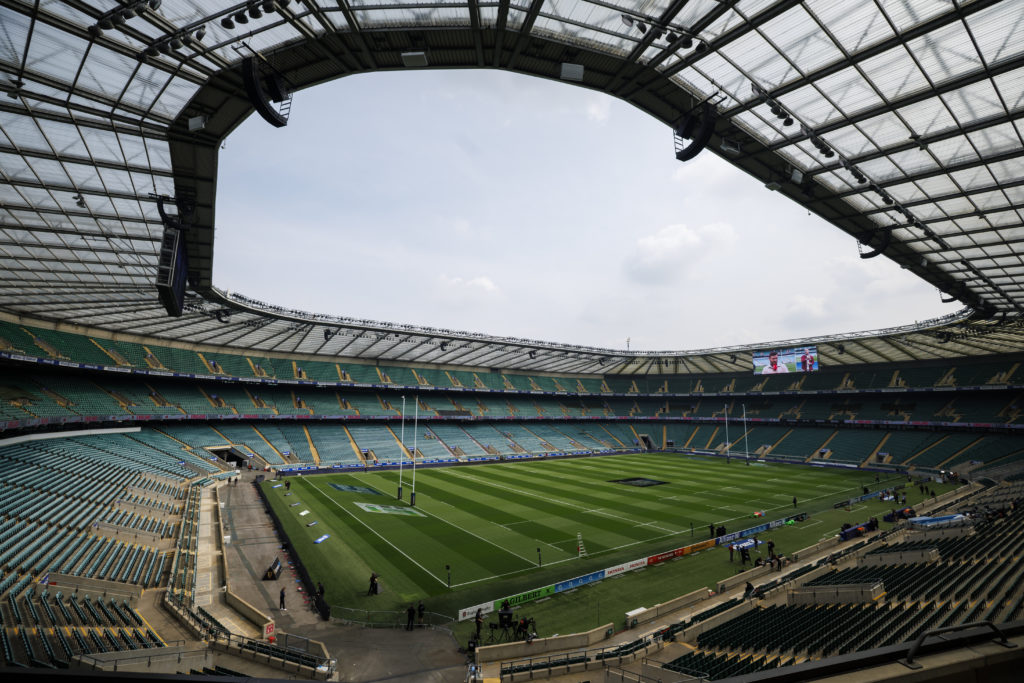
RFU chairman Bill Sweeney says Chelsea could use the stadium for up to seven years, if they can get clearance from Richmond council.
As it happens, Twickenham have just struck a 10-year, £130m naming rights deal with banking giant Allianz.
If Chelsea play 20-plus matches per season at the stadium, the Premier League’s international exposure and the Blues’ brand would potentially supercharge the value of that deal.
Allianz might suddenly be very happy with the value of the £13m-a-year which, as the biggest naming rights deal in the UK, has been seen as a victory for England Rugby.
Chelsea would pay a rental fee to play at the stadium When Tottenham played at Wembley before they moved into their new stadium, they paid £15m pr year.
Arsenal could rival Chelsea to play at Twickenham
Chelsea have several options on the table in a situation that has riven the internal politics of Chelsea’s ownership.
Boehly favours a move to Earl’s Court, while Behdad Eghbali – probably the most powerful man at the club due to his Clearlake group’s superior shareholding – wants to expand Stamford Bridge.
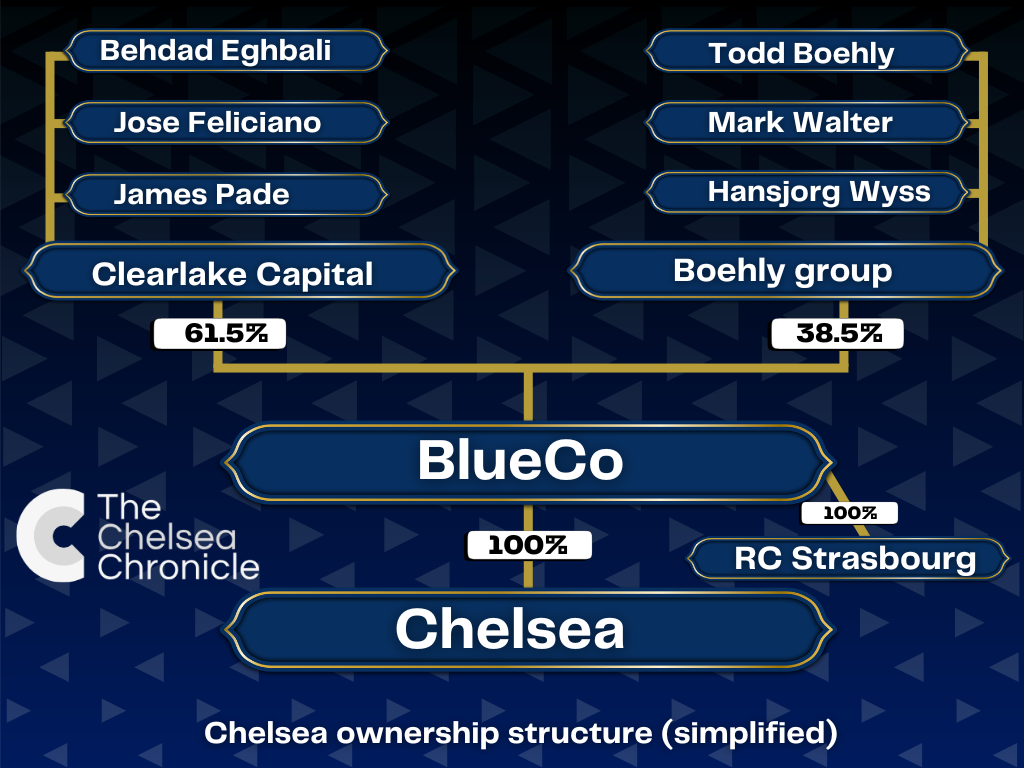
Boehly has intimated that the disagreement could see one of the pair leave the club, though he has played down talks of a ‘feud’.
If Chelsea stay at Stamford Bridge, it could be a phased development that allows them to continue playing at the stadium throughout.
Alternatively, they could go wholesale. In which case, they would need to find an interim home. Significantly, Chelsea have acquired a plot of land next to the stadium that is key to the would-be redevelopment.

If they leave, the Chelsea Pitch Owners rights as the holders of club naming rights come into play.
If they do opt for a wholesale approach to the redevelopment of Stamford Bridge, Wembley Stadium is another potential temporary venue.
However, Arsenal have become the latest Premier League club to target their own stadium redevelopment and may also need a temporary home.
Experts canvassed by The Chelsea Chronicle have suggested this could see the two clubs competing for the same venue simultaneously. Wembley’s geography would ostensibly favour Arsenal.
Receive a digest of our best Chelsea content each week direct to your mailbox