

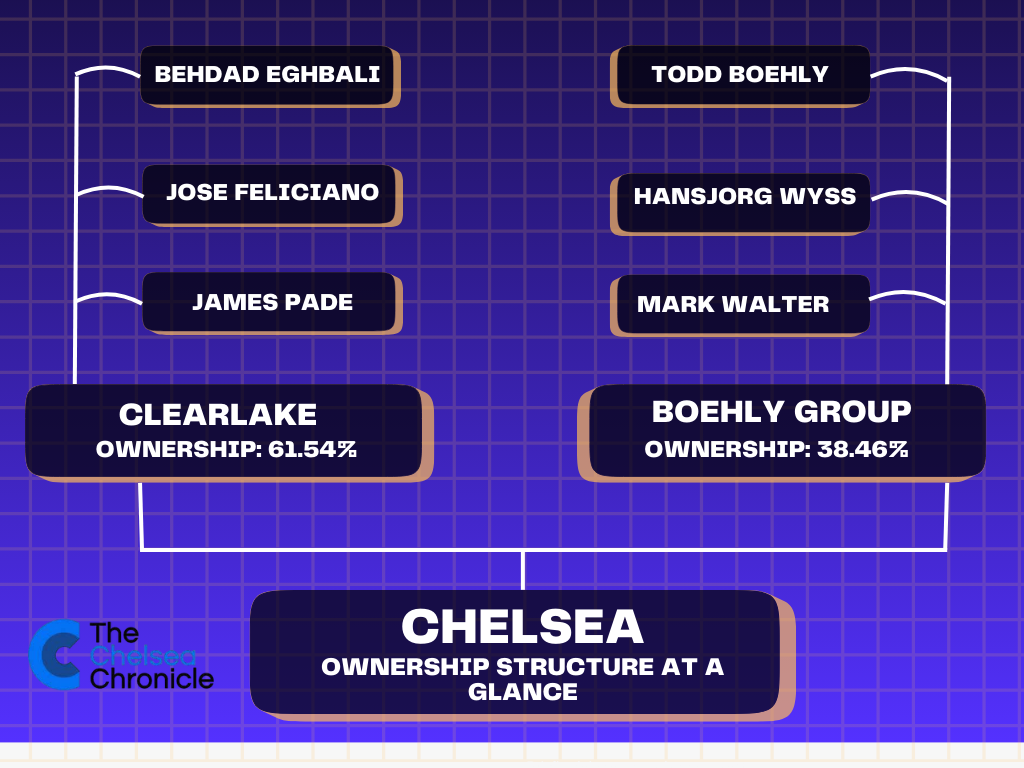
When Todd Boehly and Clearlake Capital first arrived at Chelsea, one of the most intriguing aspects of their masterplan was their multi-club ambitions.
Chelsea have flirted with the multi-club model before under Roman Abramovich.
The Russian was closely affiliated with and had financial ties to CSKA Moscow and Vitesse Arnhem, but the link never went as far as an equity stake in another club.

That has changed under the new regime.
In June 2023, BlueCo – the holding company owned by Todd Boehly and Behdad Eghbali among other investors – acquired a majority stake in Ligue 1 club Strasbourg.
Their reign in northeast France has been divisive.
Their ownership of the club been scrutinised by supporters who feel their team is losing its unique identity.
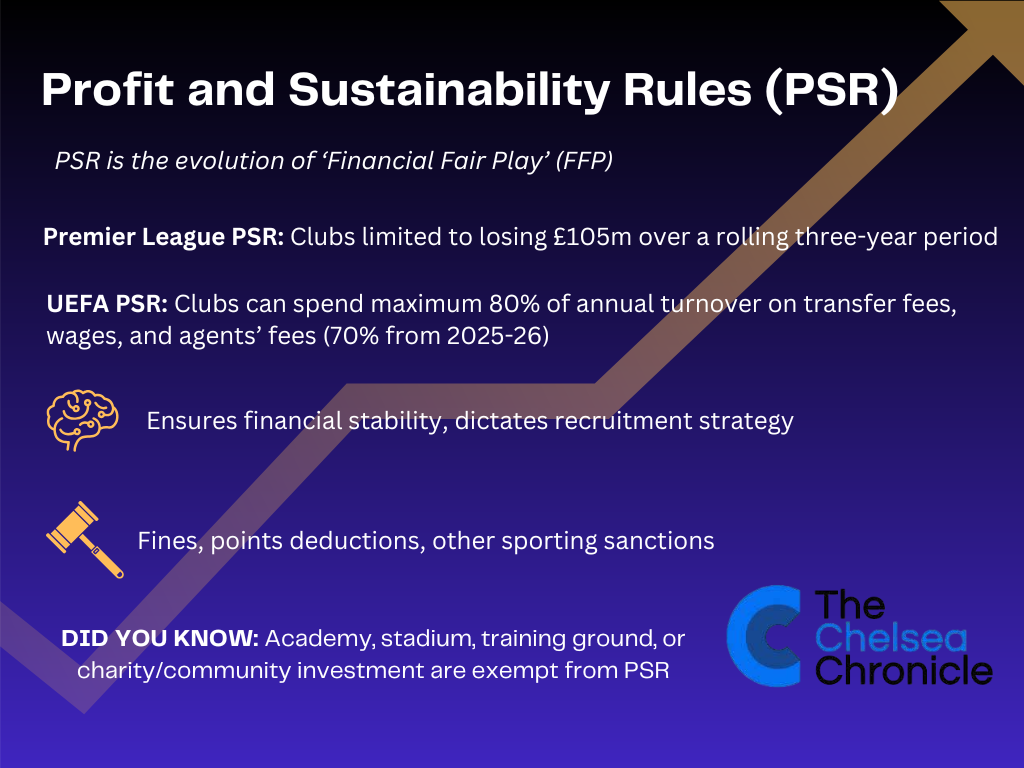
What’s more, Deivid Washington‘s anticipated move from Chelsea to Strasbourg was cancelled amid suspicions that they were trying to game Profit and Sustainability Rules (PSR).
But that will not deter the owners, whose mantra appears in line with Mark Zuckerberg’s: ‘move fast, break things.’
And the latest data from a world leading research centre appears to one element of the Red Bull strategy that Chelsea particularly admire.
Chelsea mirroring Red Bull strategy, data reveals
Arguably the archetypal multi-club network, Red Bull owns stakes in seven clubs worldwide, including Leeds United.
They made headlines recently when they appointed Jurgen Klopp as their new head of global football too.
And according to research from CIES Football Observatory, Chelsea – or, more specifically, BlueCo – are mirroring Red Bull’s strategy of signing almost exclusively young players.
Strasbourg had the highest percentage of sub-21-year-old players in their squad at the start of the season, the most of any club in Europe by some margin.
Player Comparison – Djordje Petrovic, Caleb Wiley, Andrey Santos and Diego Moreira – came directly from Chelsea.
Chelsea themselves have a squad made up 52 per cent players who are 21 or younger, which was the third highest percentage in Europe.
In this strategy, they are echoing Red Bull, who had four teams in the list of the most youth-focused clubs.
The multi-club mode: BlueCo’s next steps
First things first, Chelsea will not be making any major moves in the multi-club racket until the simmering feud between Boehly and Egbali cools down.
The two men and the factions they lead have different footballing visions, and there are umpteen reasons why that disharmony is the worst possible environment to mount a new takeover campaign.
But when the dust has settled and a resolution has been found, there are a number of markets that BlueCo could target as they look to expand their multi-club empire.
They have previously been linked belonging to 777 Partners, the Miami-based investment firm whose clubs are for sale after they were handed a winding up petition.
777, who failed in an effort to buy Everton earlier this year, Genoa, Standard Liege and Vasco da Gama among others.
Interestingly, they also have a stake in Parisian side Red Star. A takeover there could see BlueCo go up against Red Bull, who are set to acquire a stake in Paris FC.

Elsewhere, if president Javier Milei gets his way, clubs in Argentina will soon also be opened to private investors for the first time ever.
South America is a popular market with multi-club investors, with Man City’s City Football Group and John Textor’s Eagle Football Holdings owning stakes in Brazilian clubs.
Receive a digest of our best Chelsea content each week direct to your mailbox