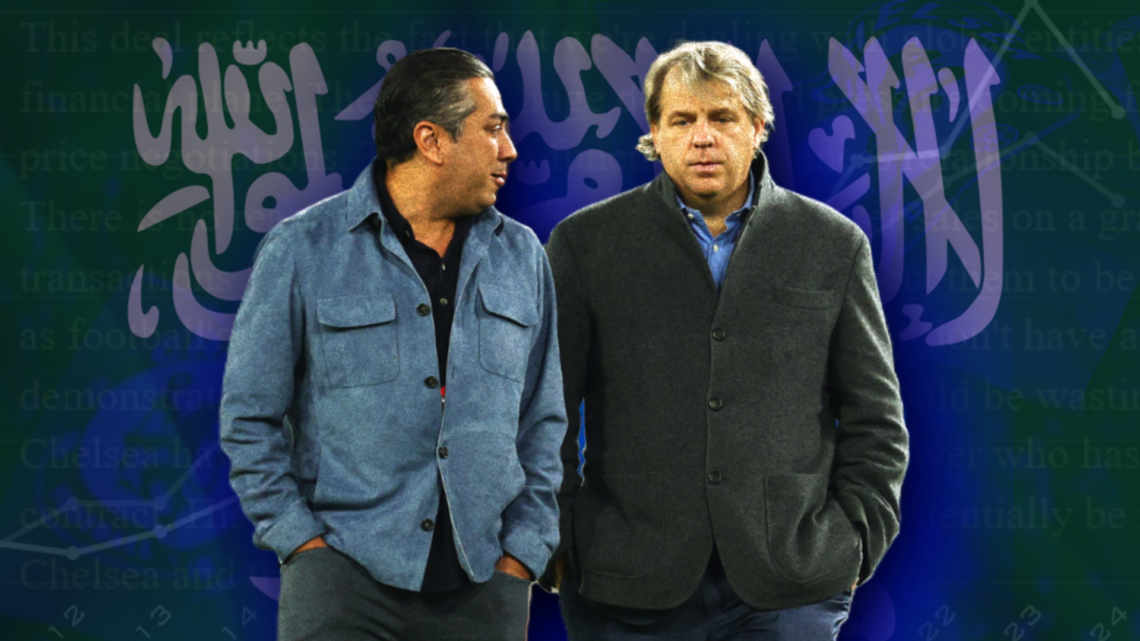


Are Chelsea owned by Saudi Arabia? It’s a question which would have been incomprehensible to most football fans just a few years ago but one routinely asked since Clearlake’s takeover in May 2022.
The short answer? Well, unfortunately, there is no short answer. Like every instance of geopolitics, private equity and Premier League football intersecting, you could probably write a thesis on it.
If all you read is the headlines, you’d think Todd Boehly was Chelsea’s owner and all-seeing eye. But while the 51-year-old, highly diversified investor is indeed one of the loudest voices at Stamford Bridge, his stake in the club is only around 13 per cent.

Broadly speaking, the ownership is split into two factions.
Boehly is the public face of a loose coalition of investors led by Hansjorg Wyss and Mark Walter, the latter of whom is his investment partner at the LA Lakers NBA franchise.
On the other side of the ownership diagram is Clearlake Capital, the US investment firm whose head honchos are Behdad Eghbali, Jose Feliciano and James Pade. Among other issues, these two groups are split on plans to either rebuild Stamford Bridge or move to a salubrious new home ground at Earl’s Court.
So, where does Saudi Arabia’s Public Investment Fund – who also happen to be the owners of Newcastle United – fit into this picture, if at all?
Wherever oil money goes, conspiracy follows… and Chelsea’s mind-bending spending in the transfer market since the takeover from Roman Abramovich three summers ago has led some to speculate that the Blues had figuratively struck black gold under Stamford Bridge.
The fact that Chelsea have struck several cosy deals with PIF-owned clubs to sell what might clinically be described as ‘toxic assets’ has further aroused suspicions. The latest player to move from West London to the Middle East is Joao Felix.
With add-ons, Chelsea could bank around £44m for Felix at a time when, due to the financial settlement they have agreed with UEFA, they are desperate to make player sale profits and trim their squad cost. Intriguingly, the arrangement includes a sell-on clause, which is unusual for a player on a two-year contract.
| Chelsea player | PIF-owned club | Reported fee |
| Kalidou Koulibaly | Al-Hilal | ~£21.5m |
| Édouard Mendy | Al-Ahli | ~£16m |
| N’Golo Kanté | Al-Ittihad | Free |
| Ângelo Gabriel | Al-Nassr | ~£19.4m |
| João Félix | Al-Nassr | ~£43.7m |
All this just a few weeks after Chelsea trousered almost £85m in Club World Cup prize money, which was effectively subsidised by the Saudi Public Investment Fund (PIF) through its TV deal with DAZN.
So are the big decisions at Chelsea really being made in a palace on the Persian Gulf, not a private equity house?
Football finance expert gives verdict on Saudi Arabia’s links with Chelsea
In the summer of 2023, talks linking PIF with a covert investment in Chelsea intensified.
It was reliably reported that Saudi Arabia almost certainly does have an investment in Clearlake, but the scale of their interests in the group is still not known.
One thing is for sure – the link was clearly not strong enough alert the Premier League, who cleared the takeover with no issues publicly flagged.
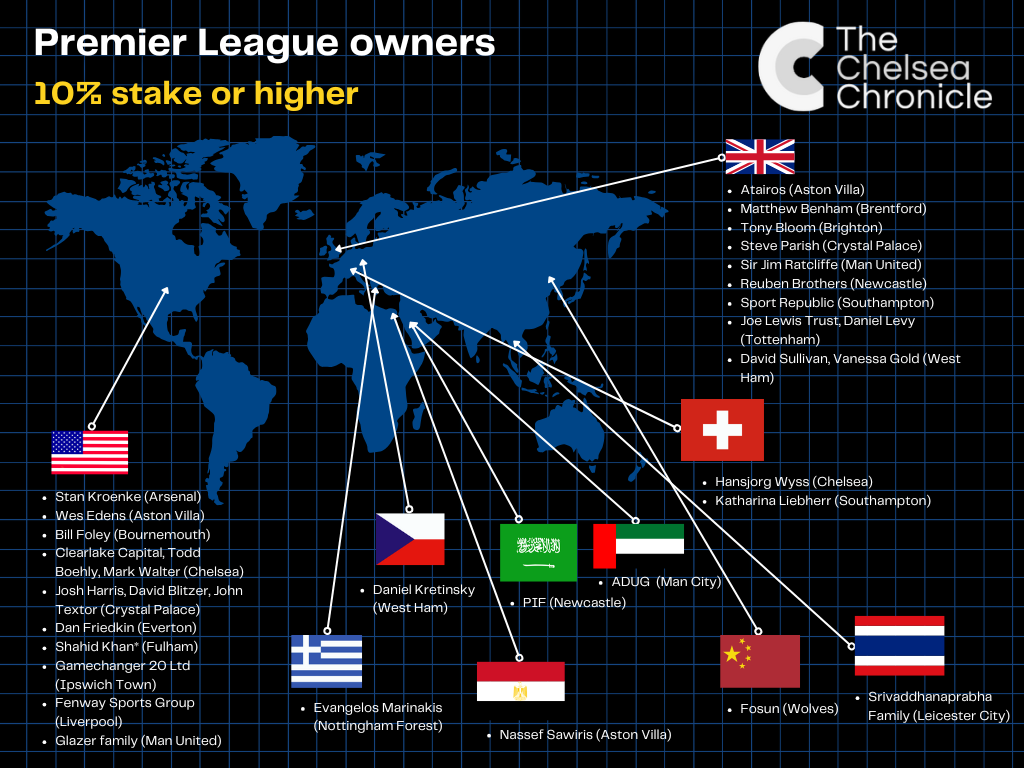
From Chelsea’s perspective, they have not listed any of the deals between themselves and PIF-owned clubs in the ‘related party transactions’ section of their accounts, as they are obliged to do with Strasbourg, for example, or any other BlueCo-linked entity.
The same logic applies at UEFA level, where the governing body would adjust the value of transfers between Chelsea and PIF-owned clubs if it had any concerns about a shared ownership link.
With regards to the Felix deal, University of Liverpool football finance lecturer Kieran Maguire has told The Chelsea Chronicle: “This deal reflects the fact that we’re dealing with global entities that operate on a different financial plane.
“There is no huge downward pressure coming from Saudi Arabia in terms of price negotiations. There is a functional business relationship between PIF and Clearlake. There is no reason why that should impact player sales on a granular basis.
“But we have seen transactions like this in the past and I would expect them to be repeated in the future.
“As far as football’s governing bodies are concerned, they don’t have a prayer of being able to demonstrate any untoward behaviour and they would be wasting their time trying to prove it.
“Chelsea have done nothing wrong. They sold a player who has several years left on his contract. His value for the club signing him can potentially be far greater than his value for Chelsea and that is reflected in the price.”
Clearlake, as one of the world’s preeminent asset management firms, have hundreds of limited partners. In the main, these investors are entirely passive. They pay management fees to the company in exchange for a cut of profits.
Chelsea to make £8m PSR profit on Joao Felix
Chelsea signed Felix on a seven-year deal for just shy of £45m in August 2024 after previously having loaned the mercurial Portuguese forward from Atletico Madrid.
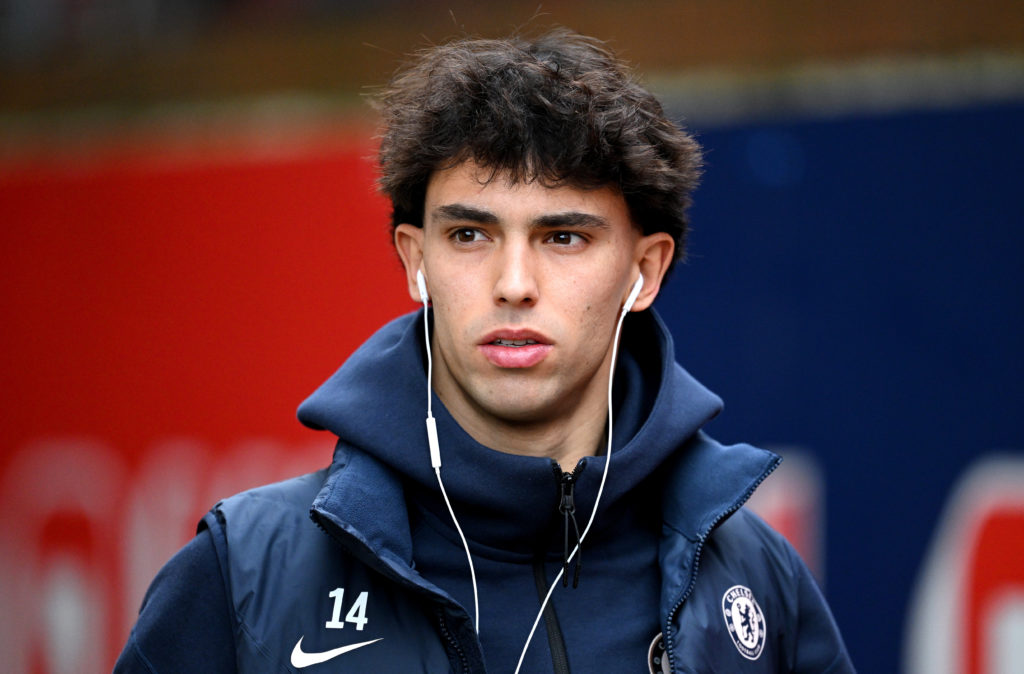
For the purposes of Premier League and UEFA Profit and Sustainability Rules (PSR), the profit on his sale is calculated with respect to his amortised book value. At the time of the sale, that stood at around £36m.
The deal taking him to Al-Nassr is made up of a £26.2m upfront fee plus £17.5m in potential add-ons.
However, it is understood that those add-ons are very achievable, which means Chelsea will recoup almost the amount it cost to sign the 25-year-old in cash terms.
In PSR terms, Chelsea will actually make an £8m profit on the sale.
Receive a digest of our best Chelsea content each week direct to your mailbox