

Todd Boehly, now a household name in England for his lavish spending at Chelsea, has long been known for similar extravagance in the United States.
In 2022, Boehly became the public face of the consortium that bought Chelsea for £2.5bn and brought the curtain down on the Roman Abramovich era.
The American private equity billionaire enjoys an outsized influence at Stamford Bridge despite holding a significantly smaller stake than Behdad Eghbali‘s Clearlake Capital.
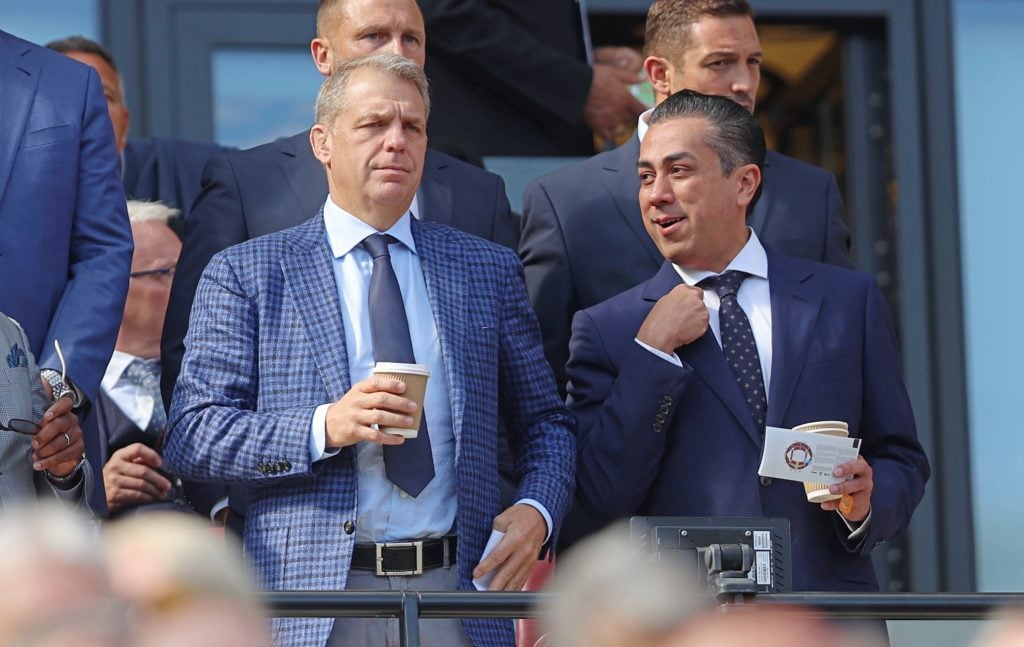
The power dynamic has been exposed in recent weeks after it emerged that Boehly and Eghbali are now leading factions vying for control in the Chelsea boardroom.
That process, which the two men insist is amicable and professional, could eventually lead to one buying the other out.
That is a simplification of a situation in which there are many moving parts, with any resolution also likely to need the approval of stakeholders such as Ares Capital, who lent Chelsea £500m last year.
The one thing that unites all shareholders and financial institution involved in the power struggle, however, is their belief in football as a capital appreciation project.
The business model is simple: buy low, sell high.
Given that the ownership regime have invested billions on new signings and plan to spend billions more to expand Stamford Bridge, their faith in football as a business has clearly not been shaken yet.
Chelsea lost £90m in 2022-23 and that deficit is expected to widen to £98m when they release their 2023-24 accounts, so why the continued confidence?
Simply, it boils down to what they have achieved in other sports.
And the latest piece of analysis from an authority in the sports business industry illustrates why Boehly in particular is bullish about spending money to make money in football.
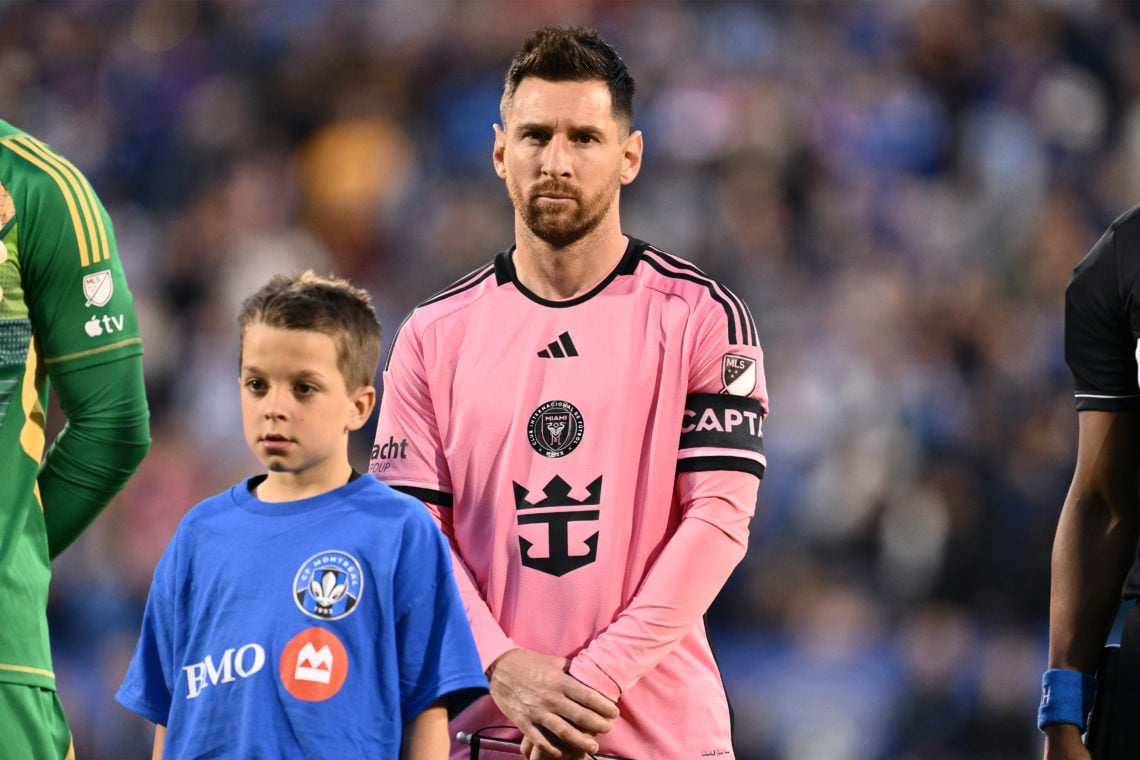
The LA Dodgers contract that smashed Lionel Messi’s record
At the last count, Chelsea’s annual wage bill stood at £404m, one of the highest in football history.
In football, the biggest individual contract ever agreed on an aggregate basis was Lionel Messi‘s four-year deal with Barcelona in 2017, which was worth £515m in total.
However, the biggest contract ever agreed in the history of sports is the 10-year, £534m deal that Todd Boehly’s Major League Baseball franchise the Los Angeles Dodgers handed Shohei Ohtani last year.
The Japanese pitcher is considered by many to be the best baseball player in the world and is a superstar in his home country.
The Dodgers, in whom Boehly holds a 20 per cent stake, see the contract as superb value due not only to his impact on the field but also in terms of their commercial income and brand.
The impact of football players from a certain country can sometimes be overstated, but there are examples – think Son Heung-Min at Tottenham – where they can be genuinely commercial transformative.
The effect is just as pronounced in baseball. According to research from Huddle Up, the investment in Ohtani is more than paying off in the following ways.
- Secured 12 new Japanese sponsors, bringing in over $30 million in additional revenue from brands like All Nippon Airways and Yakult.
- Increased Japanese tourism to Los Angeles, with the LA Tourism Board reporting that 80% to 90% of visitors from Japan visited Dodger Stadium.
- new revenue streams through Japanese-language stadium tours and Japanese-themed concessions, with increased sales at Dodger Stadium.
- Contributed to Major League Baseball’s best wild card viewership ever and led to the announcement of a 2025 Dodgers-Cubs opening series in Japan.
- Led all MLB players in jersey sales for the second consecutive year, with Dodgers players representing 20% of MLB’s top 20 jersey sales.
- Increased fan attendance by 100,000 in a year, generating millions in additional revenue from ticket sales, parking, and concessions.
Boehly and his co-investors think there are huge untapped revenues in their overseas fans. That is one of the reasons, with the prize money, that they are so keen to play in the expanded 2025 Club World Cup.
For the owners to realise the enterprise value that they believe is inherent in a club like Chelsea, they are considering the value of signings from lucrative overseas markets as part of their long-term strategy.
Can Chelsea’s owners replicate their American sports success in football?
While leveraging Chelsea’s global brand for commercial gain might be similar to their POA in America, the owners face a much more difficult task to realise the same growth they have in the NFL, NBA and MLB.
Unlike those leagues, football does not operate under a closed-shop, franchise model, where costs are essentially fixed and profits are all but guaranteed.
Very few football clubs are consistently profitable and the arms race that has taken place in the transfer market in recent years has seen costs spiral out of control.
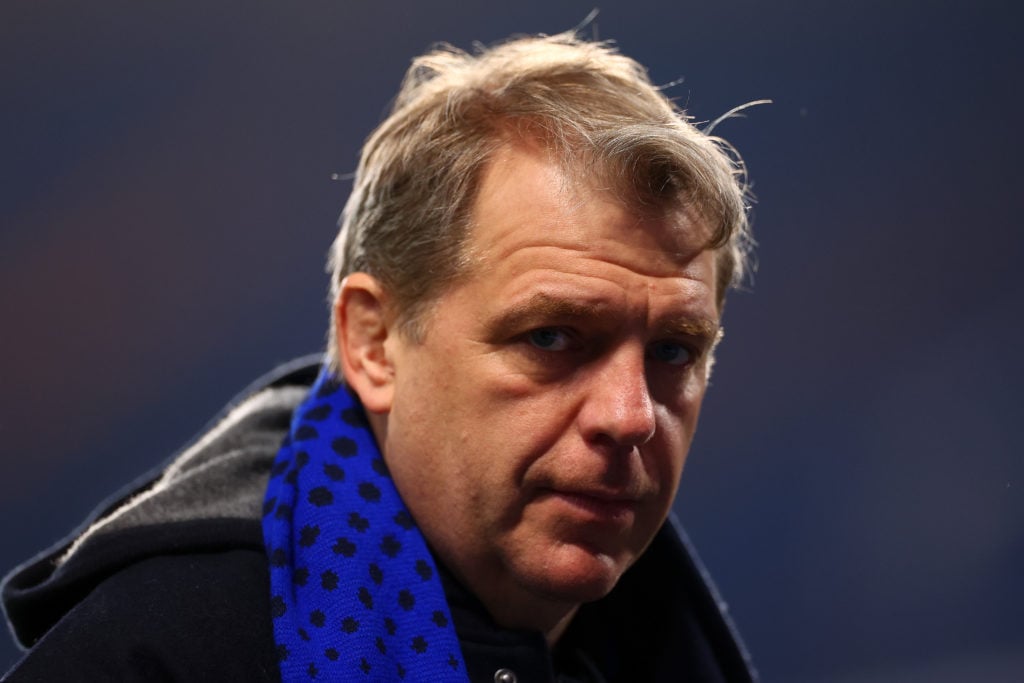
Boehly, Eghbali and their peers in the Chelsea boardroom are backed by billions upon billions of private equity capital, an industry which usually expects a return in a cycle of five to seven years.
Two years into their Chelsea project, it seems nigh on impossible that they can achieve that target – at least not in that timeframe.
Receive a digest of our best Chelsea content each week direct to your mailbox