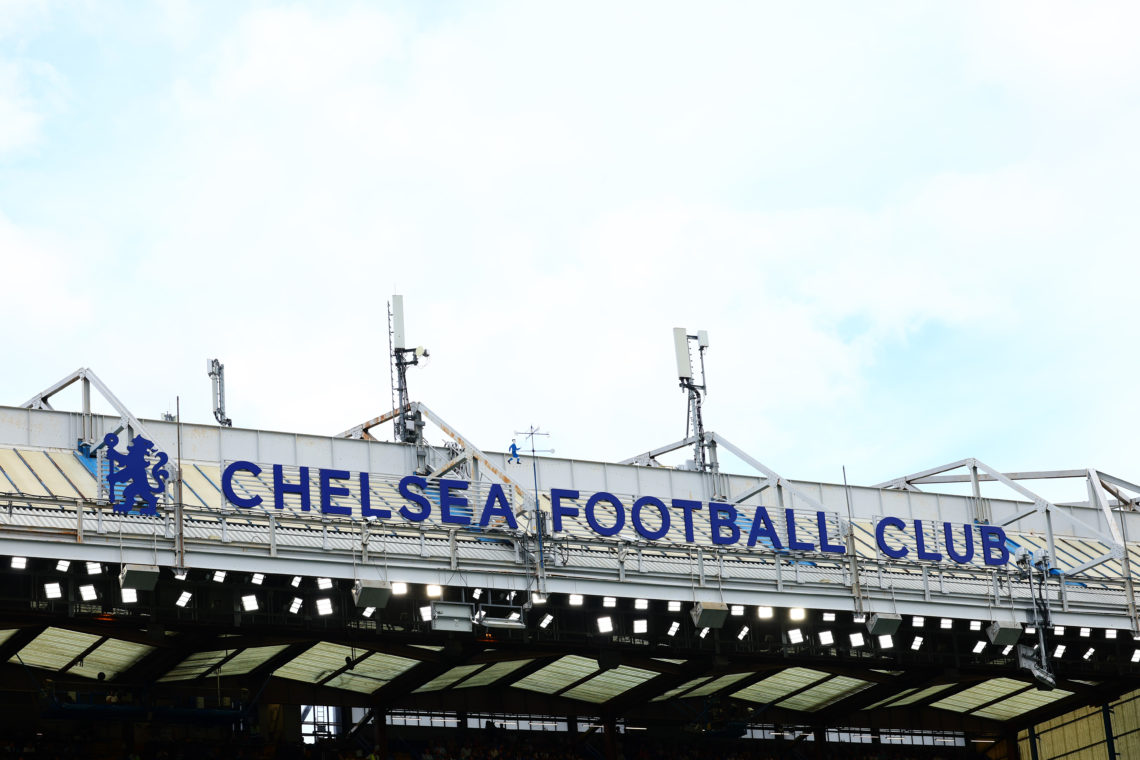


The Premier League have officially ratified a controversial deal that could be a game-changer for Chelsea and their PSR predicament.
Under Premier League PSR (Profit and Sustainability Rules), Chelsea are not allowed to post financial losses in excess of £105m over a rolling three-year period.
A cursory look at Chelsea’s accounts over the last three documented financial years reveals that their losses have totalled £367m. Far in excess of the threshold – on paper, at least.

In reality, PSR-deductible expenses such as investment in infrastructure, youth and lost revenue as a result of the pandemic mean they have so far avoided a PSR breach.
But the eye-popping, unprecedented level of spending sanctioned by Todd Boehly and Clearlake Capital since they bought Chelsea in May 2022 means they are walking a PSR tightrope.
Enzo Maresca‘s chief responsibility at Stamford Bridge appears to be trimming the squad in order to give the club a fighting chance of compliance with the spending rules.
The Italian, in tandem with co-sporting directors Paul Winstanley and Laurence Stewart, managed to get 11 players off the books permanently in the summer, while several more big earners have left on loan.
But even though the headline figures show a relatively modest negative net spend of around £40m for the window, their cumulative net spend over the past three years is closer to £800m.
That is without intermediary fees taken into account, which will likely run into the hundreds of millions.
And while amortisation loopholes in the early stages of the Boehly era allowed some of those costs to be deferred for PSR purposes, those signings were not free hits.
And even with the ‘pure profit’ generated through the sales of academy graduates like Conor Gallagher, that £800m-plus will hit Chelsea’s amortisation bill in the coming years .
That means seismic changes to the club’s cost base will be needed. However, the latest update from Premier League HQ appears to be a positive omen.
Premier League ratify Chelsea property deal
Of the PSR loopholes Chelsea have exploited, perhaps the most effective and efficient may be intra-group sales.
Essentially, this has involved the purchase of one asset owned by a company within the Chelsea ownership network to another within the same network.
Recently, the sale of the women’s team from Chelsea Holdings Limited to BlueCo, the vehicle set up by Boehly and Clearlake as part of the original takeover two years ago.
But the most high-profile intra-group sale has been that of two on-site hotels at Stamford Bridge, which the Premier League has now ratified, as reported by Sky Sports and others.
The value of the sale has often been quoted in the media as being £76m, but that is in fact the profit on the sale based on the hotels’ amortised book value. The actual gross value of the sale is in fact £98m.
While the numbers related to the sale of the women’s team are not yet clear, that manoeuvre coupled with the hotel deal will likely free up hundreds of millions in PSR capacity.
That gives Chelsea more breathing space in the transfer market under the Premier League’s spending rules.
At least one finance expert, however, believes that Chelsea are still over the PSR limit by up to £75m even with these sales taken into account.
What about UEFA’s PSR?
The Premier League and UEFA have separate PSR systems – and UEFA’s does not allow intra-group property sales.
UEFA also have a three-year loss limit of around £50m. On paper, that’s twice as tight as the Premier League’s system, although UEFA allow greater flexibility if a club is in good health.
The second relevant part of UEFA’s system is their squad cost control ratio. This will eventually limit clubs to spending 70 per cent of revenue on wages, amortisation, and agent fees.
This season, as Chelsea will take part in the Europa Conference League, the cap is 80 per cent.

Chelsea’s spend across wages, amortisation and agent fees in the last recorded financial year was 119 per cent.
And while the dial will have shifted somewhat in 2023-24 (we don’t have access to the accounts yet), that figure shows how much work there is still to be done.
Receive a digest of our best Chelsea content each week direct to your mailbox