

Todd Boehly and Behdad Eghbali may not see eye to eye on some major issues at Chelsea but there are no signs that the owners will turn off the taps financially any time soon.
The two men, who are the public faces of the factions at war for power in the Chelsea boardroom, have a combined net worth of over £10bn.
And while there are a number of criticisms one can level at the new regime, failing to put their money where their mouth is isn’t one of them.
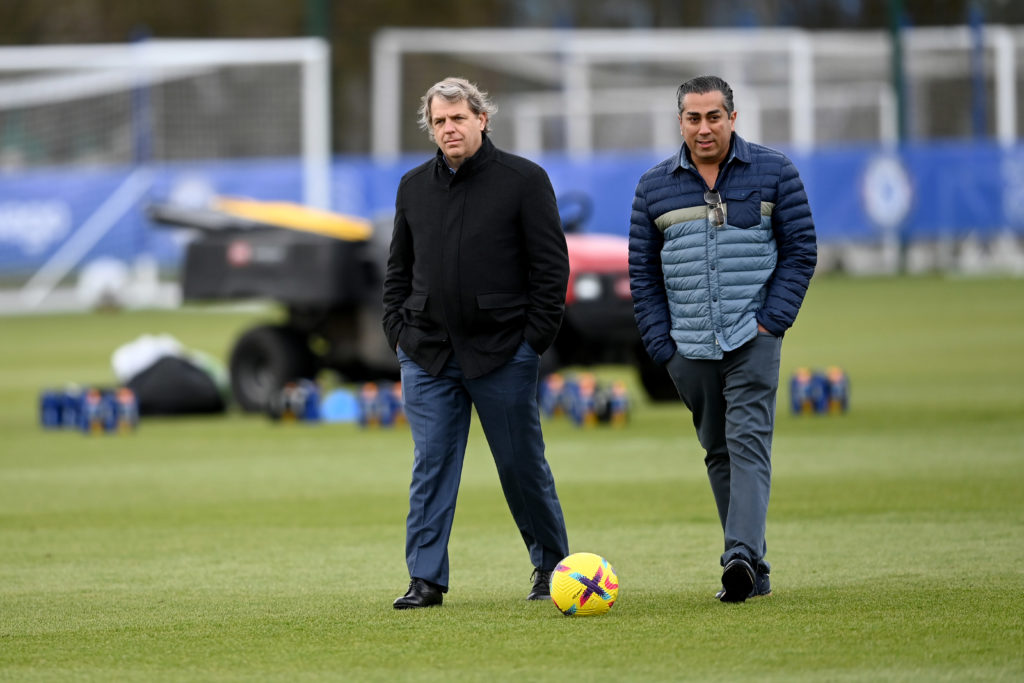
In the opening stanza of life for Chelsea post-Roman Abramovich, it appeared that Boehly was pulling the strings at Stamford Bridge despite personally controlling just 13 per cent of the club.
The private equity heavyweight even appointed himself interim sporting director alongside his duties as chairman, although he passed that mantle on to Paul Winstanley and Laurence Stewart in January 2023.
Since that date, reports have suggested that Eghbali – whose Clearlake Capital group have a 61 per cent equity stake in Chelsea – has become the chief decision maker, especially in terms of transfer strategy.
But while Chelsea’s targets may have changed, with the club seemingly zeroing in on a younger profile of player with more resale value, their level of spending has not.
In total, more than £1.5bn has been spent on players under the new regime, compared to sales worth approximately £450m in the same period.
While there are notable exceptions, such as the inspired swoop for Cole Palmer at a yellow-sticker price of just £42.5m, the majority of those new signings have simply not delivered.
Indeed, Enzo Maresca was reportedly chosen to replace Mauricio Pochettino because he was willing to act as fix-and-flip manager, developing players in order to hopefully recoup a respectable fee.
But with factions led Boehly and Eghbali looking to buy each other out, Chelsea’s long-term vision is once again more than a little hazy.
However, the latest news signals that both parties are committed to the club financially for the foreseeable future.
Chelsea cash injection confirmed
As confirmed by documents filed with Companies House, the UK’s business register, Chelsea have received a major cash injection in the form of a share issue.
22 Holdco Limited – which is the mothership under which Chelsea and sister club Strasbourg are encompassed – have received £190m after 19m shares were issued between September and October.
Those shares were split between Eghbali’s Clearlake and Boehly’s camp, which also consists of Mark Walter and Hansjorg Wyss.
As per analysis from football finance expert and author Vanity, Sanity and Reality newsletter Greg Cordell, the share issue has seen Clearlake’s stake in the club notch up fractionally at the expense of Boehly’s.
Typically, a cash injection via a share issue usually goes towards operational costs, such as paying wages or infrastructure upgrades.
- READ MORE: Inside the £534m deal agreed by Chelsea’s Todd Boehly in LA last year that broke Lionel Messi record
The Stamford Bridge masterplan: Boehly and Eghbali’s visions for the future of Chelsea’s stadium
Speaking of infrastructure upgrades, a new story this week has suggested that the Eghbali-Boehly power struggle could have major implications for the future of Stamford Bridge.
It has been reported that Boehly favours a move to a new site at Earl’s Court, whereas Eghbali wants to expand Stamford Bridge beyond 60,000 seats in a £1bn-plus makeover.
Chelsea have already acquired a plot of land adjacent Stamford Bridge which would be critical to an expansion, while the Earl’s Court option appears a more remote possibility.
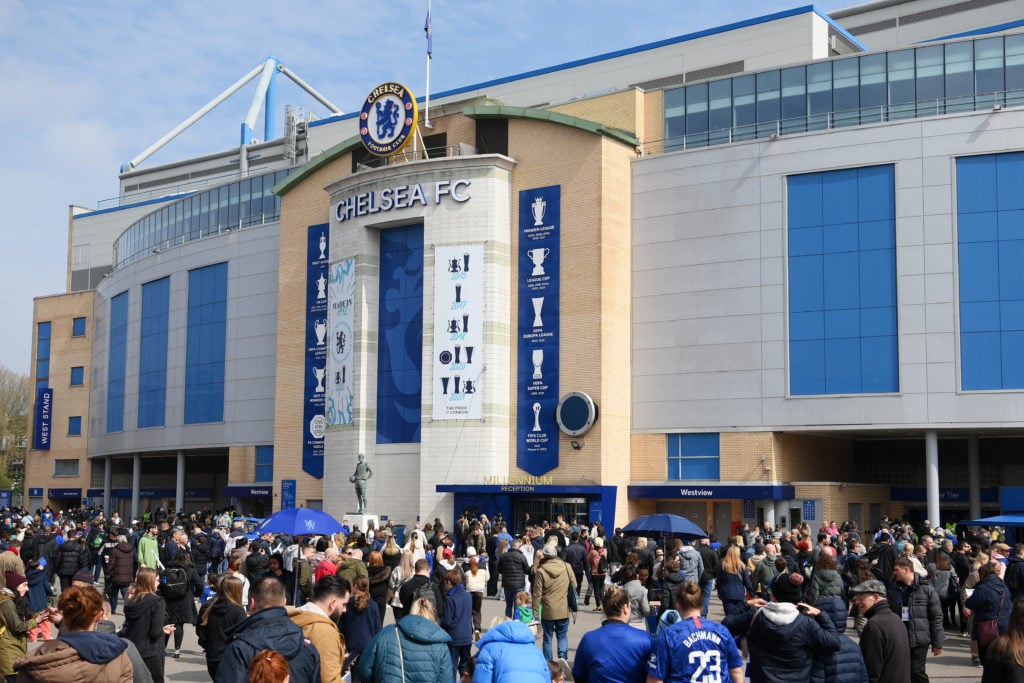
Chelsea currently earn less than £80m per season in matchday income, placing them roughly level with Man City but well behind every other member of the so-called Big Six.
A new stadium would be transformative for Chelsea, particularly in the era of Profit and Sustainability Rules (PSR), where spending is anchored to revenue.
Receive a digest of our best Chelsea content each week direct to your mailbox